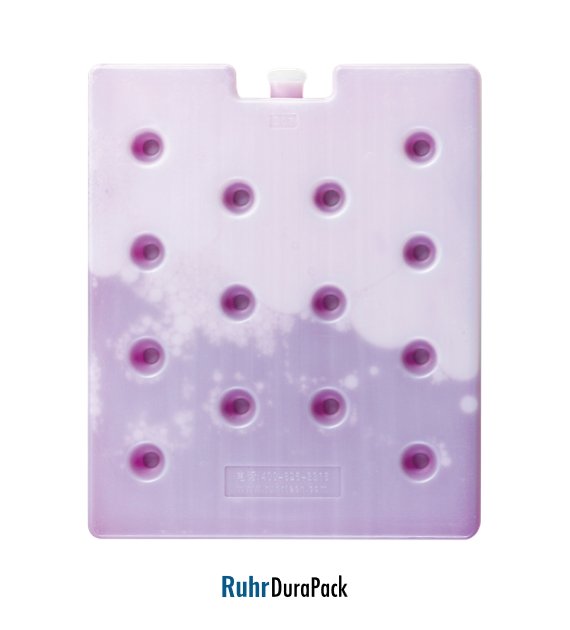
HDPE
Lightweight, corrosion-resistant, impact-resistant plastic encapsulation for large-scale, sealed installations.
15°C–80°C customized solutions covering full-scenario thermal management needs.
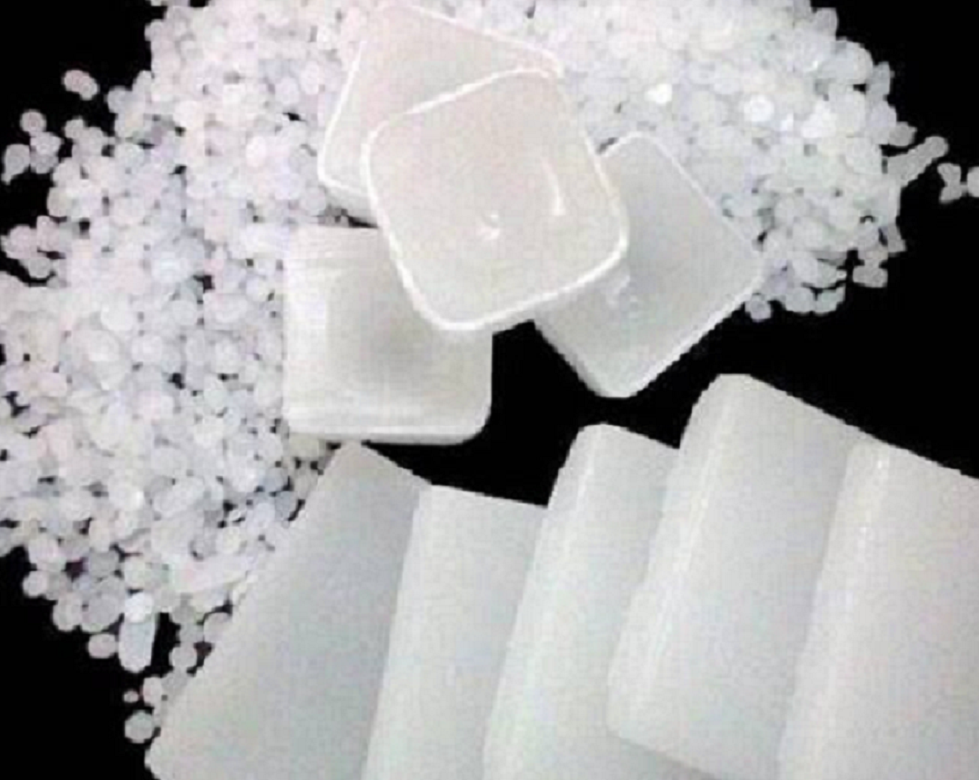
Organic and inorganic foundation PCM grades for broad thermal-storage applications.
Example organic grades from the product handbook: OPCM0 / OPCM21 / OPCM28 / OPCM35 / OPCM44 with melting points from 0°C to 44°C and latent heat typically ≥175–240 J/g. Inorganic examples include IPCM50 (50°C, ≥220 J/g) and IPCM58 (58°C, ≥230 J/g).
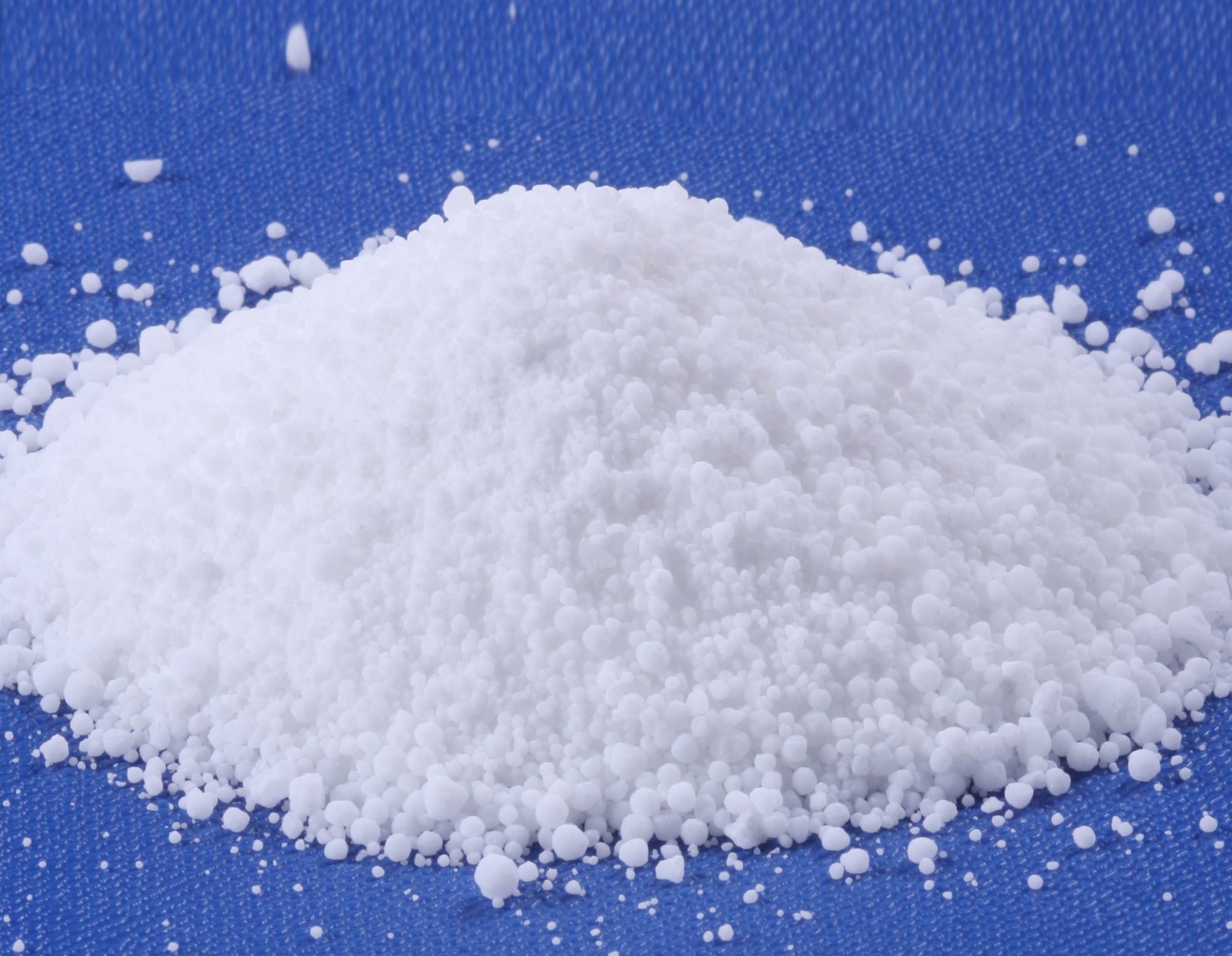
Microencapsulated phase-change materials with a stable shell–core structure.
Example grade (MPCM44): phase-change temperature 44 ± 2°C (ASTM D3418), enthalpy 210 ± 10 J/g, solids 99 ± 1%, particle size D90 = 19–24 μm. Coupled with TEC + PCM in 1.5C discharge tests, peak temperature can drop from ~88.7°C to ~42–43°C with ΔT < 5°C.
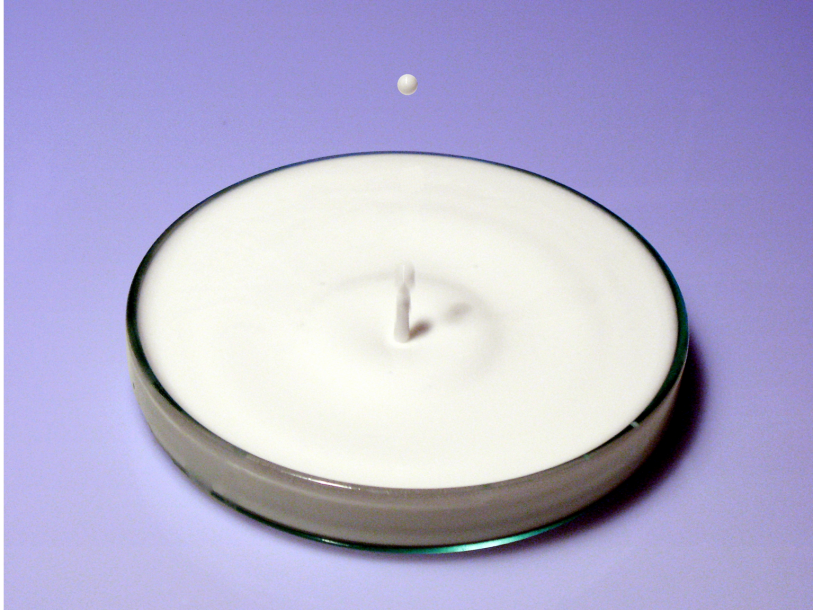
Fluid-type phase-change emulsions that deliver latent-heat cooling in pumpable form.
Validation example: 40% paraffin PCE microchannel liquid cooling under 2.0C discharge — battery peak temperature ≤ 40°C, module ΔT ≤ 5K, pumping power ~36% lower than water cooling.
Typical PCE28-40%: melting peak ~28°C (27–29°C), freezing peak ~27°C (26–28°C), storage capacity on the order of 110 kJ/kg (±7.5%), supporting precise temperature plateaus for battery and module cooling.
High-thermal-conductivity composite PCM that remains solid during phase change while providing strong heat storage and conduction.
Ideal for electronics cooling, battery thermal balancing, and industrial waste-heat recovery under high heat flux.
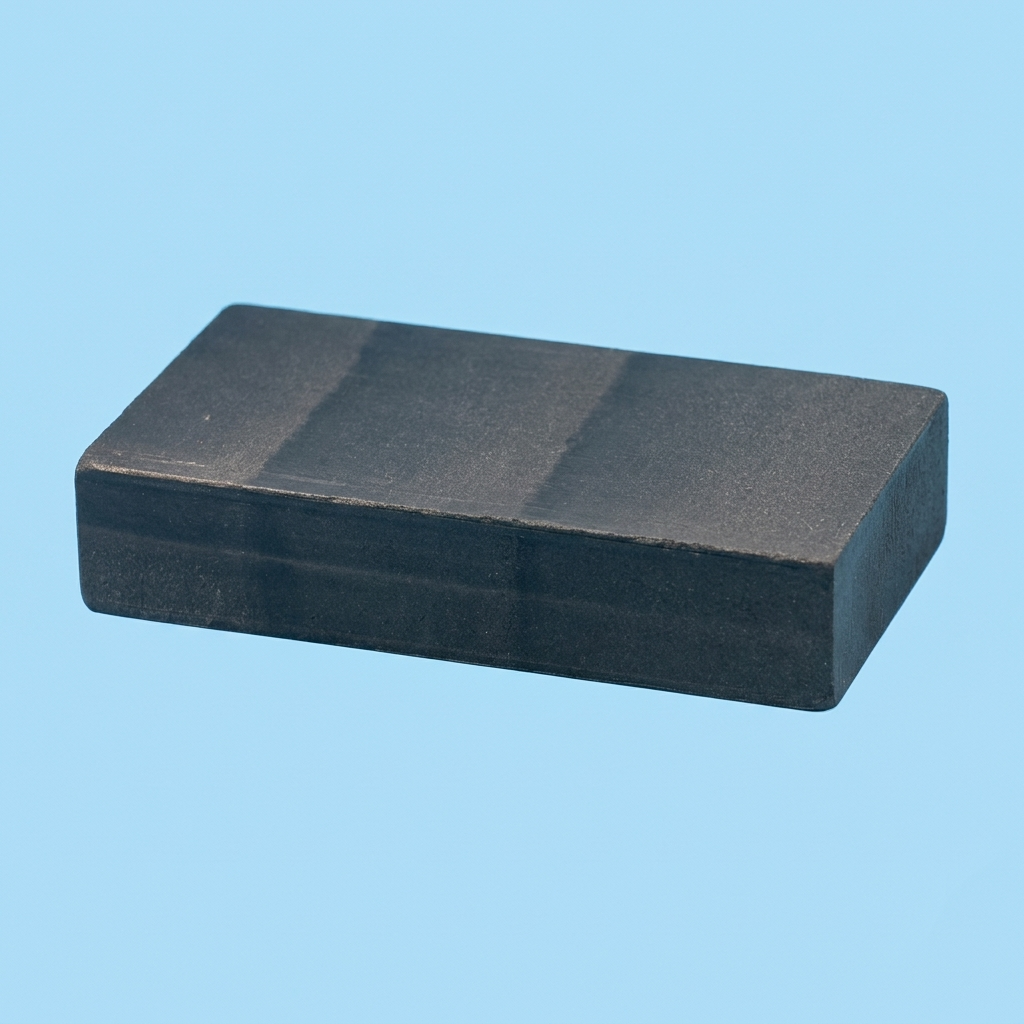
Encapsulation can be selected based on equipment structure, installation space, heat-transfer requirements, and environment.
Lightweight, corrosion-resistant, impact-resistant plastic encapsulation for large-scale, sealed installations.
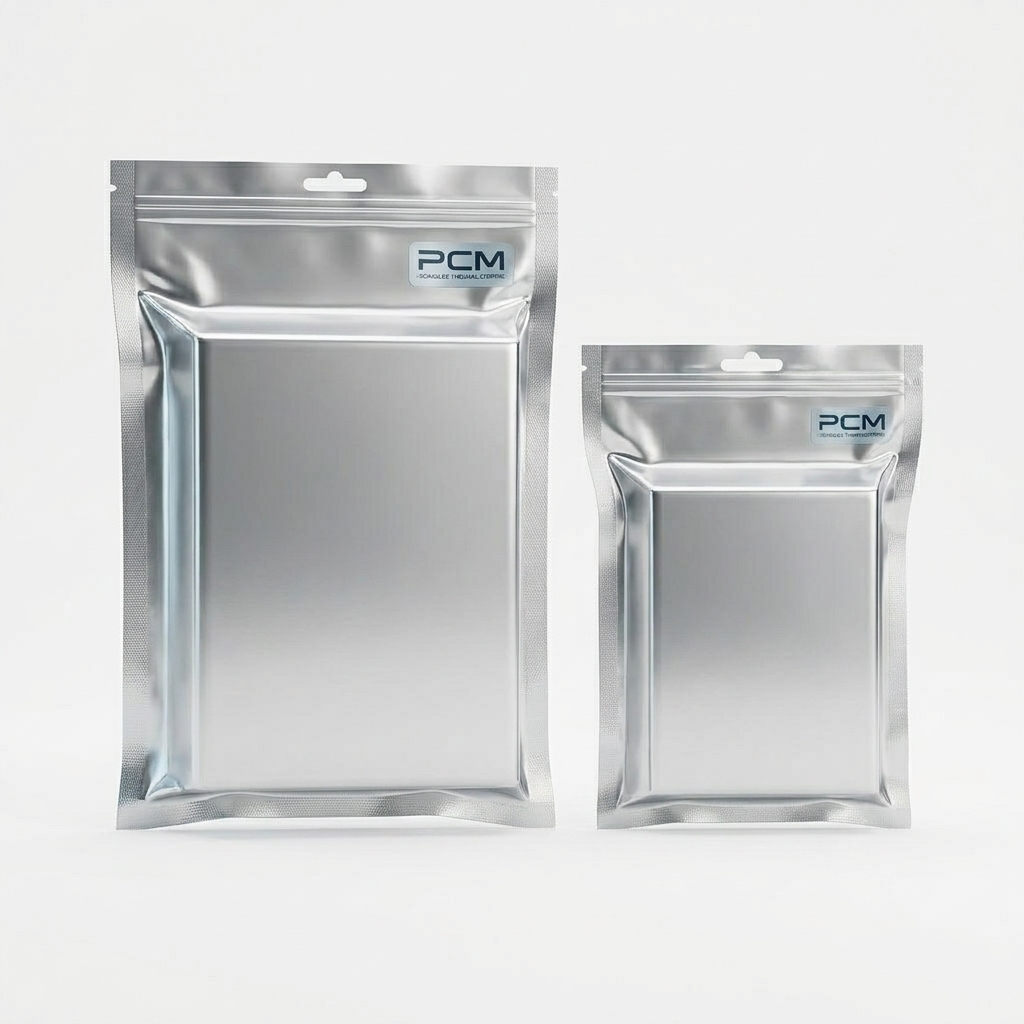
Flexible vacuum-sealed multilayer barrier — high heat-transfer efficiency and tight surface conformity.
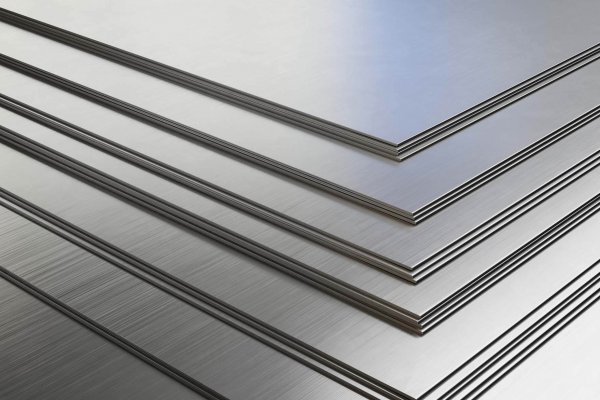
High-conductivity structural packaging for fast response and coupling with liquid/air cooling.